
Killing Physician Creativity: How Emergency Use Authorization Changed Medicine During COVID-19
The COVID-19 Response and the Suppression of Medical Innovation

In a previous article, I wrote about my appreciation for certain public officials who spent years questioning the government’s handling of COVID-19 and the massive push for universal vaccination. This essay reflects on my own growing skepticism during the early months of the pandemic and the questions that never seemed to receive honest answers.
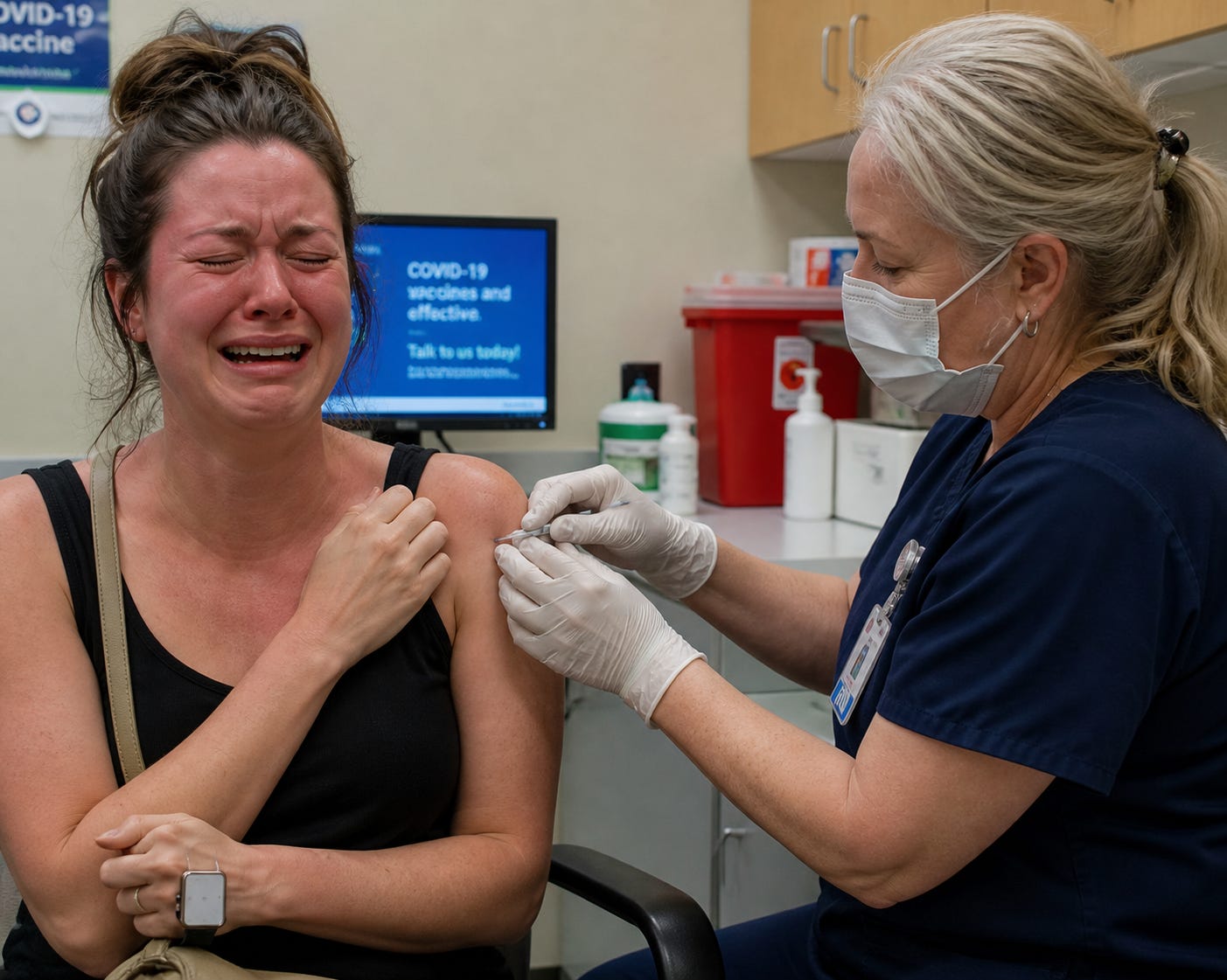
What troubled me most was not simply the lockdowns, mask mandates, or the fear-driven messaging. It was the apparent suppression of medical creativity and independent clinical judgment at a time when innovation should have been encouraged most.
Looking back, I believe the COVID-19 response exposed a dangerous shift in medicine: the replacement of open scientific debate with centralized control, institutional conformity, and financial incentives that discouraged alternative treatment approaches.
When the Contradictions Began to Appear
We first heard reports in late 2019 about a mysterious outbreak in China. By early 2020, governments around the world were reacting aggressively. Travel restrictions appeared. Schools closed. Businesses shut down. Parks were taped off. Entire populations were ordered to stay home.
Like most people, I initially accepted that extraordinary measures might be necessary. But not long after that, certain things no longer seemed to make sense.
In Michigan, malls closed, surgeries were canceled, and residents were warned not to travel except for essential purposes. My wife, Kay, who worked as a hospital research director, was suddenly sent home. That struck me as odd. In the middle of a medical emergency, why would hospital research operations be reduced?
At the same time, physicians and pharmacists were warned against prescribing hydroxychloroquine, a long-established anti-malarial drug that some doctors believed showed promise against COVID-19. Soon afterward, ivermectin was publicly mocked and dismissed as “horse paste,” despite its long history of human medical use.
The message from authorities seemed unusually rigid: there would be one approved path, and deviation from it could carry professional consequences.
That was the moment I began paying closer attention.
The Question That Would Not Go Away
One question kept returning to my mind:
Why were doctors discouraged from experimenting with potentially helpful treatments during a global emergency?
Medicine has historically advanced through observation, experimentation, and physician judgment. Many breakthroughs began because doctors noticed patterns, tested ideas, and challenged conventional thinking. Yet during COVID, many physicians appeared reluctant to publicly discuss alternative therapies, even when they believed early intervention might help patients avoid hospitalization.
At the same time, many sick individuals were reportedly told to stay home unless their symptoms became severe enough to require emergency care.
That approach seemed backward to me.
If physicians believed there were low-risk therapies worth trying early in the illness, why was discussion of those options so aggressively discouraged?
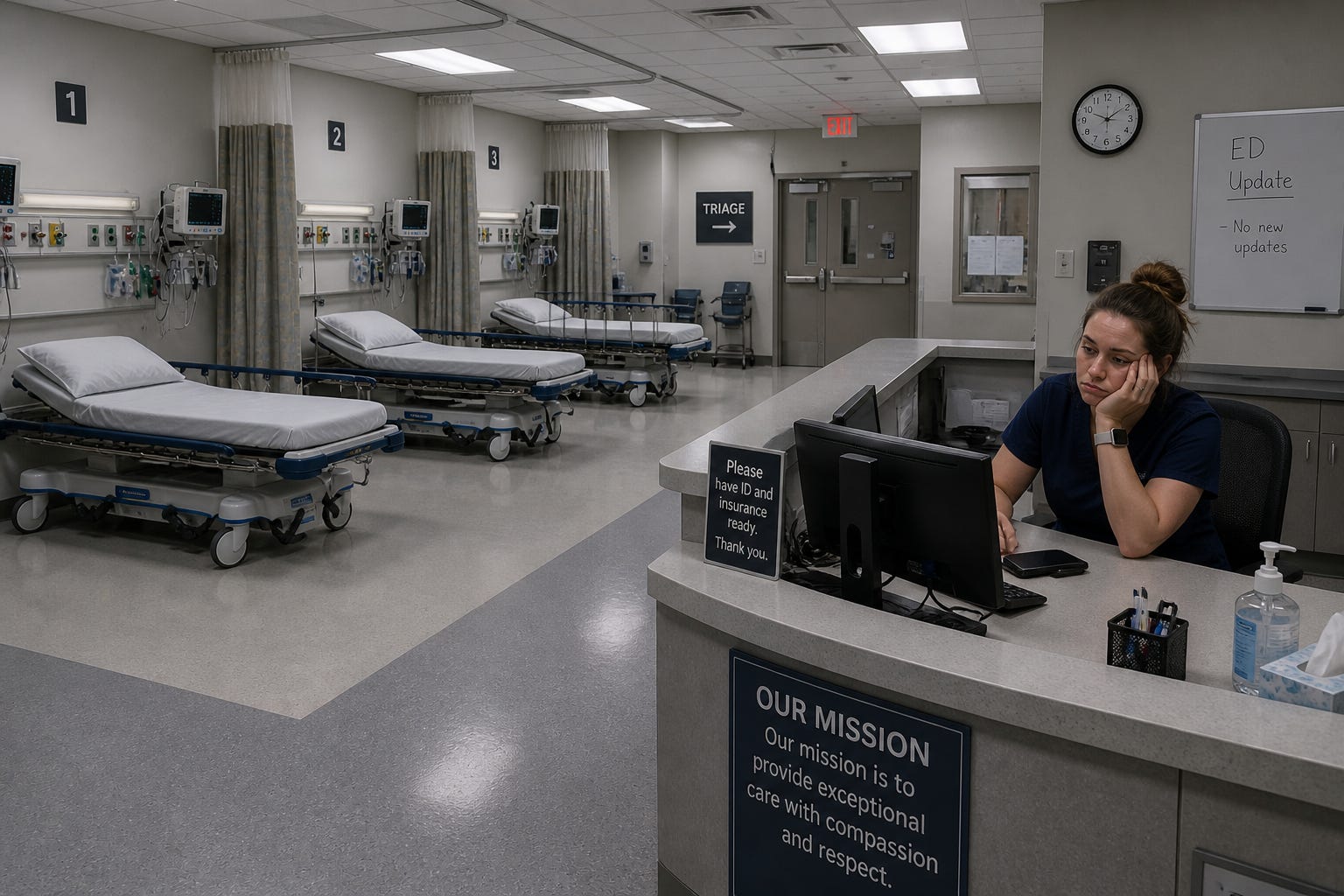
The Empty Emergency Rooms
Around this time, podcasters and independent journalists and podcasters like Jeff Berwick began discussing something strange: many emergency rooms appeared unusually quiet.
That caught my attention.
I personally drove past local clinics and a nearby hospital, expecting to see overcrowding consistent with the nonstop media coverage. Instead, I saw mostly empty parking lots and little visible activity.
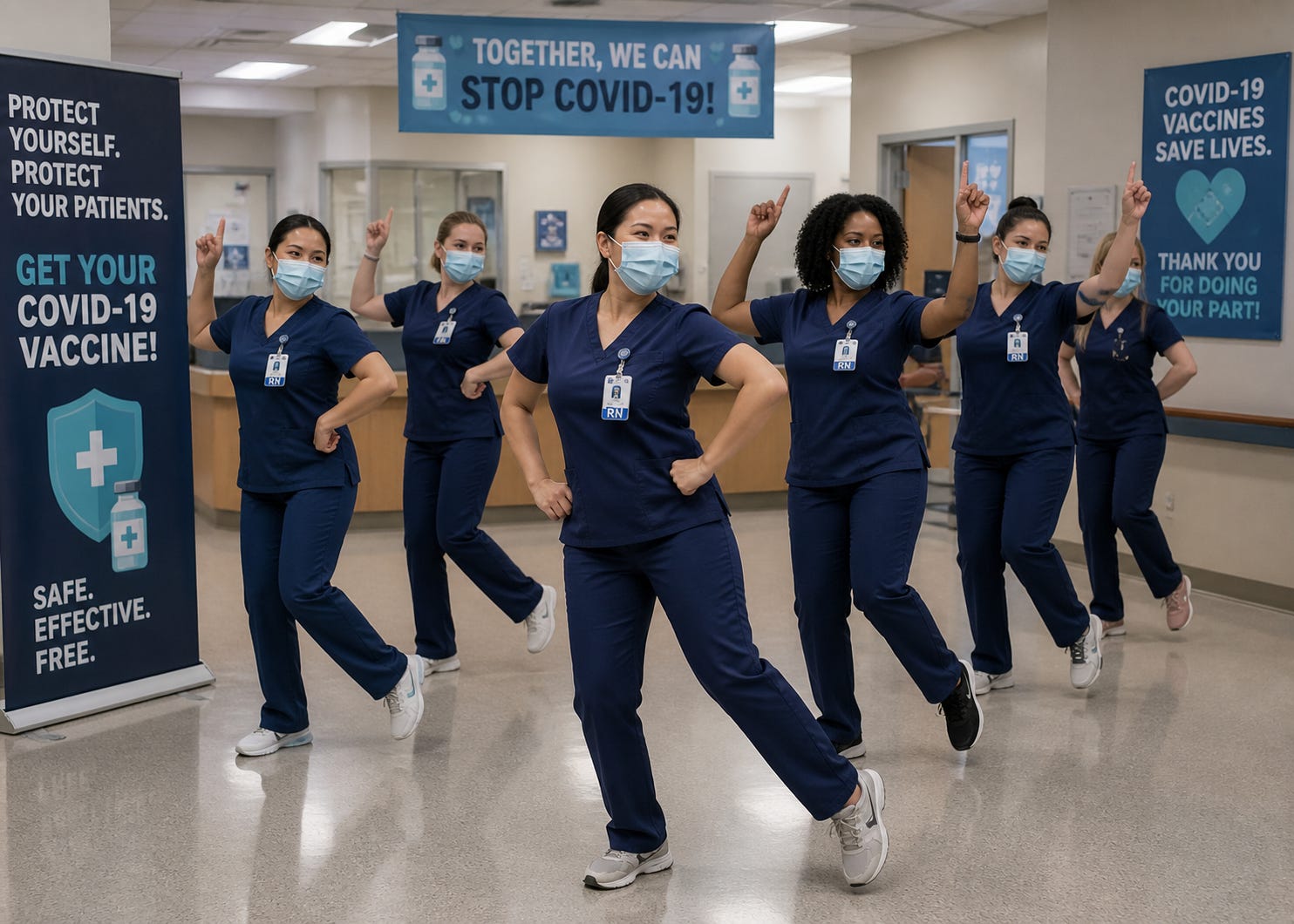
Meanwhile, videos circulated online showing hospital staff dancing in choreographed routines while the public was being told hospitals were overwhelmed beyond capacity.
The contrast was difficult to reconcile.
I do not deny that many hospitals experienced serious surges at various points during the pandemic, but they were caused by physicians failing to provide early treatment. Some clearly did. But the public messaging often felt disconnected from what many ordinary people were personally observing in their own communities.
That growing disconnect fueled skepticism and distrust.
Concerns About Data and Public Messaging
Additional questions emerged.
PCR testing was widely used to diagnose COVID-19 infections. Still, critics including the scientist who invented the test, raised concerns about its sensitivity and whether high cycle thresholds could produce false-positive results in people with little or no infectious illness.
Reports also surfaced suggesting that hospitals and public health agencies were under pressure to classify deaths as COVID-related whenever possible. Whether fully accurate or not, these stories contributed to the growing perception that data was being shaped to support predetermined narratives. In one case, a motorcycle-related death was recorded as being due to COVID.
Then came the controversy surrounding hydroxychloroquine studies.
In May 2020, The Lancet published a widely publicized study suggesting increased risks associated with hydroxychloroquine use for COVID-19 patients. Global trials were halted. Yet the study was later retracted after serious questions emerged regarding the integrity of the underlying data.
That episode deeply damaged public confidence.
For many people, it reinforced the suspicion that certain treatments were being discredited too quickly while competing viewpoints were marginalized.
The Role of Emergency Use Authorization
Over time, I came to believe that Emergency Use Authorization (EUA) may have created incentives that discouraged the use of alternative treatments.
Under EUA rules, authorization depends in part on the absence of adequate approved alternatives. Critics argued that if inexpensive, widely available treatments proved effective, it could complicate or weaken the justification for emergency authorization of new pharmaceutical products.
Whether intentional or not, the practical effect was clear: the medical system increasingly narrowed around one dominant solution while discouraging exploration of others.
That narrowing had consequences.
Physicians became more hesitant to deviate from official guidance. Public debate became polarized. Researchers who questioned prevailing policies risked professional criticism or censorship. Instead of encouraging scientific disagreement and clinical experimentation, institutions often appeared focused on enforcing uniformity.
Why Medical Creativity Matters
The issue extends far beyond COVID-19.
Creativity is not limited to artists, inventors, or entrepreneurs. Medicine itself depends upon creative thinking. Every meaningful medical advance began with someone questioning accepted assumptions and pursuing a different idea.
Doctors are not machines following software instructions. The best physicians combine science with observation, judgment, intuition, and individualized care.
But during the pandemic, much of that independence appeared to erode.
Financial incentives further complicated matters. Vaccine manufacturers generated enormous profits. Government agencies spent billions promoting vaccination campaigns. Insurance providers reportedly offered financial rewards tied to vaccination targets. Pharmaceutical companies funded advocacy organizations, medical associations, universities, and public messaging campaigns that strongly supported mass vaccination policies.
None of this automatically proves corruption. But it does create conflicts of interest that deserve scrutiny.
When financial, political, and institutional incentives all point in the same direction, independent medical judgment can become increasingly difficult.
The Human Cost
The greatest casualty may have been trust.
Trust in physicians.
Trust in public health agencies.
Trust in scientific institutions.
Trust in government.
Many people no longer believe health authorities are willing to openly debate uncertainty, acknowledge mistakes, or tolerate dissenting medical opinions.
The pandemic also accelerated troubling trends:
the weakening of informed consent,
the reduction of individualized treatment,
the politicization of medical discussion,
and the growing expectation that citizens should comply unquestioningly with centralized directives.
Even well-intentioned policies can become dangerous when disagreement is treated as disobedience rather than part of the scientific process.
Reforms Worth Considering
If we hope to handle future public health crises more effectively, several reforms deserve serious discussion:
Protect physician autonomy when doctors responsibly explore alternative treatments with informed patient consent.
Expand independent medical research free from pharmaceutical or political influence.
Strengthen transparency surrounding financial relationships between industry, regulators, and advocacy organizations.
Encourage open scientific debate without censorship or professional retaliation.
Enforce existing informed consent standards so patients receive balanced information regarding risks, benefits, and uncertainties.
Require independent validation of major public health studies before they shape national policy.
Return the teaching of the traditional Scientific Method in the Next Generation Science Standards (NGSS) curriculum materials provided by the National Academies of Sciences (NAS) to end their push during the COVID pandemic to crush alternative treatments.
Conclusion
The COVID-19 pandemic revealed more than weaknesses in our healthcare system. It exposed how easily fear, institutional power, financial incentives, and centralized authority can narrow scientific debate and suppress medical creativity.
At times, it seemed that preserving institutional consensus became more important than encouraging open inquiry.
That may be the most dangerous lesson of all.
The next pandemic is inevitable. But the greater challenge may not be the virus itself. It may be a matter of whether we are willing to preserve the freedom to question, innovate, and think independently when the pressure to conform is strongest.
Very well written. The evidence of corruption is all over Substack now. Mistakes were not made. This was intentional, calculated, and pre- planned evil beyond comprehension.
It takes a huge paradigm shift in thinking to accept this. But it’s true.
I started researching at the beginning of Covid, because like you, I had questions. It’s been a long 5+ years, right here on Substack, with many books read to confirm it.
“Emergency Use” WAS the building brick for vaccine success. Ivermectin & HCQ would have made the vaccines impossible to accept under emergency use guidelines. Many beautiful double blind large studies on Ivermectin were ( interestingly) retracted prior to 2020, with frivolous and misleading reasons.
The Prep Act shielded the companies, doctors, etc, from any liability.
Check out Sasha Latypova, early posts. Katherine Watt as well. Together they proved the “ plan”, and that’s where I started learning the truth. It’s tough to accept that our government & trusted health agencies played significant roles in this. It just can’t be denied. Buckle up. 👍🏼